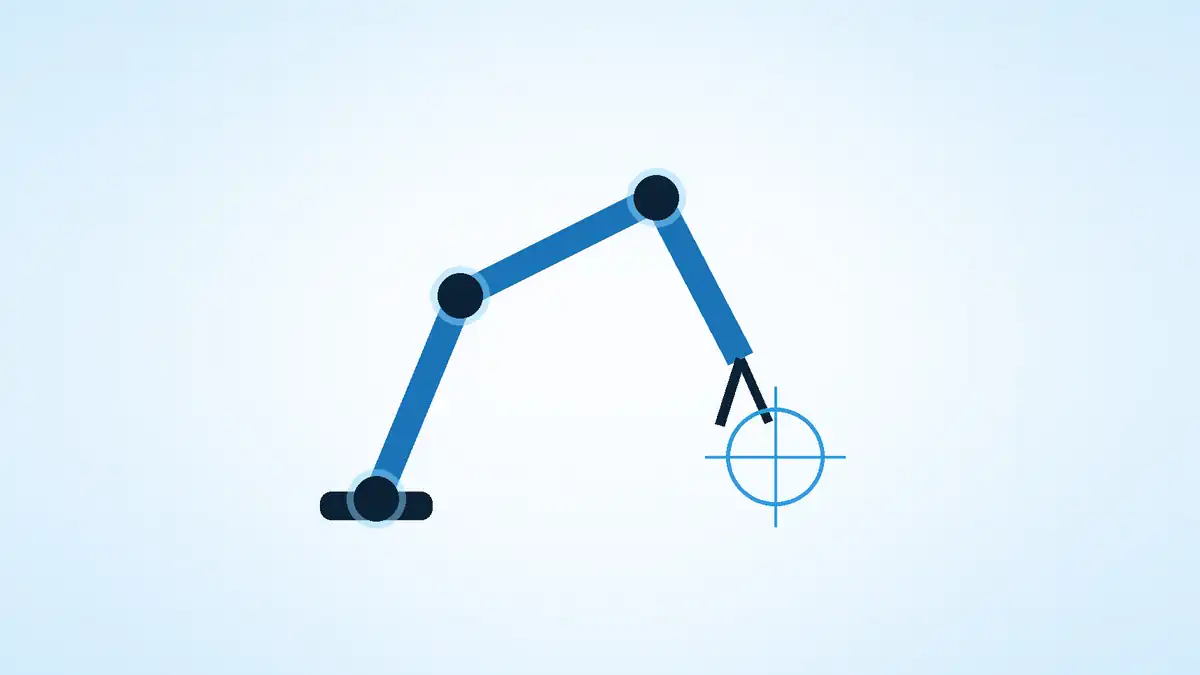
When people hear “robotic surgery”, many imagine machines operating on their own. The reality is different: today’s surgical robots are precision tools that translate every movement made by a surgeon at a console. AI is nevertheless changing surgery – on several levels.
Robot-assisted surgery today
In robot-assisted procedures, the surgeon sits at a control console and moves the instruments inside the body using hand controls. The system filters out tremor, scales large hand movements down into fine instrument movements and provides a magnified, three-dimensional view. The technique is used mainly in urology, gynaecology and abdominal surgery. It is not automatically better than conventional minimally invasive surgery; the advantages and disadvantages depend on the procedure and on the experience of the team.
Where AI is already helping in the operating theatre
- Video analysis: AI recognises the individual phases of a procedure, important anatomical structures and instruments in surgical videos. This can help with training, quality assurance and documentation.
- Safety alerts: research systems issue a warning during gallbladder removal if the critical view of safety has not yet been achieved, in order to avoid bile duct injuries.
- Planning: from CT and MRI data, AI creates three-dimensional models of organs and tumours that can be used to plan the procedure.
- Risk assessment: models use patient data to estimate the risk of complications after surgery.
Autonomous steps in the laboratory
At Johns Hopkins University in Baltimore, researchers have been working for years on robots that carry out individual surgical steps on their own. In 2022, the STAR robot independently sutured the ends of an intestine together in an animal experiment. In July 2025, the team reported in Science Robotics on the SRT-H robot, which independently performed a gallbladder removal, including all key steps, on a realistic model. The system had learned from videos of operations on animal specimens, responded to spoken instructions and corrected its own errors. It worked more slowly than a human, but the result was comparable to that of experienced surgeons.
Important: these experiments were not carried out on living patients. Before autonomous procedures can be performed on humans, numerous further studies, regulatory approval and answers to ethical and liability questions are needed.
Levels of autonomy
Similar to autonomous driving, experts distinguish between several levels: from pure assistance (the human controls everything), through the automatic execution of individual tasks under supervision, to largely independent procedures. Almost only the lower levels are in use today. The higher levels so far exist only in research.
Questions patients can ask
- What are the advantages of the robotic procedure for my operation compared with other methods?
- How much experience does the team have with this technique?
- What are the risks, and what happens if it becomes necessary to switch to a different procedure during surgery, such as open surgery?
Conclusion
AI is entering the operating theatre mainly as an assistant: it analyses, warns and plans. Autonomous robots have made impressive progress in the laboratory but are still a long way from routine use. For the foreseeable future, the surgeon will remain at the table and in charge.
More on this topic: AI in Medicine 2026 – an overview.
Note: This article is for general information only and does not replace medical advice. As of: October 2026.
Sources
- Medical Device Developments: Autonomous surgical robot reaches new milestone in gallbladder procedures (Science Robotics, July 2025)
- New Atlas: report on the autonomous robotic procedure SRT-H (2025)
- Johns Hopkins University: Robot performs first realistic surgery without human help (9 July 2025)
- Saeidi H et al.: Autonomous robotic laparoscopic surgery for intestinal anastomosis. Science Robotics 2022


Leave a Reply